
It's the end of August! This time of year always fills me with hope. Although it's sometimes sad to be leaving the fun and comforts of summer - spending time with my children, sleeping in, enjoying the back yard with my pup - it's exciting to think of the possibilities of another school year. Like a blank canvas waiting to be painted, our classroom evolves and changes over time as the children and I learn and explore together.
As we head back into the school year many educators are working thoughtfully to create environments that are rich with math possibility. In Reggio Emilia the environment exists as the 'third teacher' inspiring, supporting, and extending children's learning in rich and complex ways. I have been contacted by many educators asking for advice on how to best set up their classroom and routines in order to create as many opportunities for authentic math as possible. This has inspired today's blog post - how to cultivate a math rich learning space for children at the beginning of another school year.
I thought it would be easiest to create this as a 'math check list' with points to read and consider. When I reflect upon my own math pedagogy and practice, these are what I think stand out as mathematically meaningful for the educators, children and families that share our space. Although this check list isn't all inclusive, I thought it might spark some ideas to support and inspire as we enjoy the final weekend of summer and start back in our classroom with open eyes, minds and hearts this week.
 1. Make math a part of every space in the classroom and child's school world. In the classroom are there math tools and materials available for use beyond a 'math center or math shelf'? Do children see how math relates to every subject in the space (e.g., how materials are sorted and stored on the toy shelf, how measurement is used when children decide on a size of paper to use for their project)? Can they translate math tools and ideas into other spaces in their immediate school world (e.g., see how math relates to their walks in the hallway or work in the gym)?
 2. Ground and build math concepts into known objects for children. When introducing, extending or innovating a math idea is it organic and natural to the child's explorations and world? For example, it is more natural to engage children in an exploration of measurement if they measure things in their immediate world using the stick they are playing with, instead of using a standardized ruler (e.g., "Can you find something the same length as your stick in the yard?", "What is taller than your body?").
 3. Use available math moments with children. In our classroom we have a large block of uninterrupted play each day. It's sometimes challenging to manage children, materials and activities during center time. However I try to engage with children as much as possible in the activities, and take on the role of 'play partner' together with them. When I am actively playing I am able to closely observe what they are saying and doing, helping me to identify and extend the rich math learning that is organically occurring (e.g., helping children to recognize why their tower keeps falling, using math terms when they equally share the play dough, introducing math terms as they discuss how many cars are in their parking lot).
 4. Become a math role-model for children, families, and colleagues. Even if math isn't your favourite subject, how do you discuss it within your school and classroom? Are you excited by new activities and resources? Do you demonstrate a growth mindset? When mathematical situations arise with children that you aren't sure of, can you use these opportunities to showcase positive thinking and problem-solving? Share your new math learning with others - suggest articles and books you're reading and post these throughout your classroom to enhance documentation displays.
 5. Find the math in everything. Many educators plan forward by choosing curriculum and programming expectations and then building activities to fulfill these. Try back-mapping activities from time to time; embrace child-centered, organic experiences and then deconstruct them in order to identify the rich math concepts and curriculum expectations that they utilize. You'll be surprised to find that math happens in almost every experience children have in the classroom.
 6. Try looking at life through a mathematical lens. When planning invitations for learning in your classroom, see what math you can sneak in as well. Changing one or two elements of the experience might be enough to engage children in rich math. It reminds me of how I used to sneak veggies into my children's meals - a little can go a long way!
 7. Collaborate mathematically with colleagues. Share new ideas and resources informally. It's easy and effective to create math invitations and activities and share these within your school or division. If every educator plans one or two activities and these are shared, children will benefit from many rich and interesting games and activities without the burden of planning and preparation it would take one educator to accomplish the same.
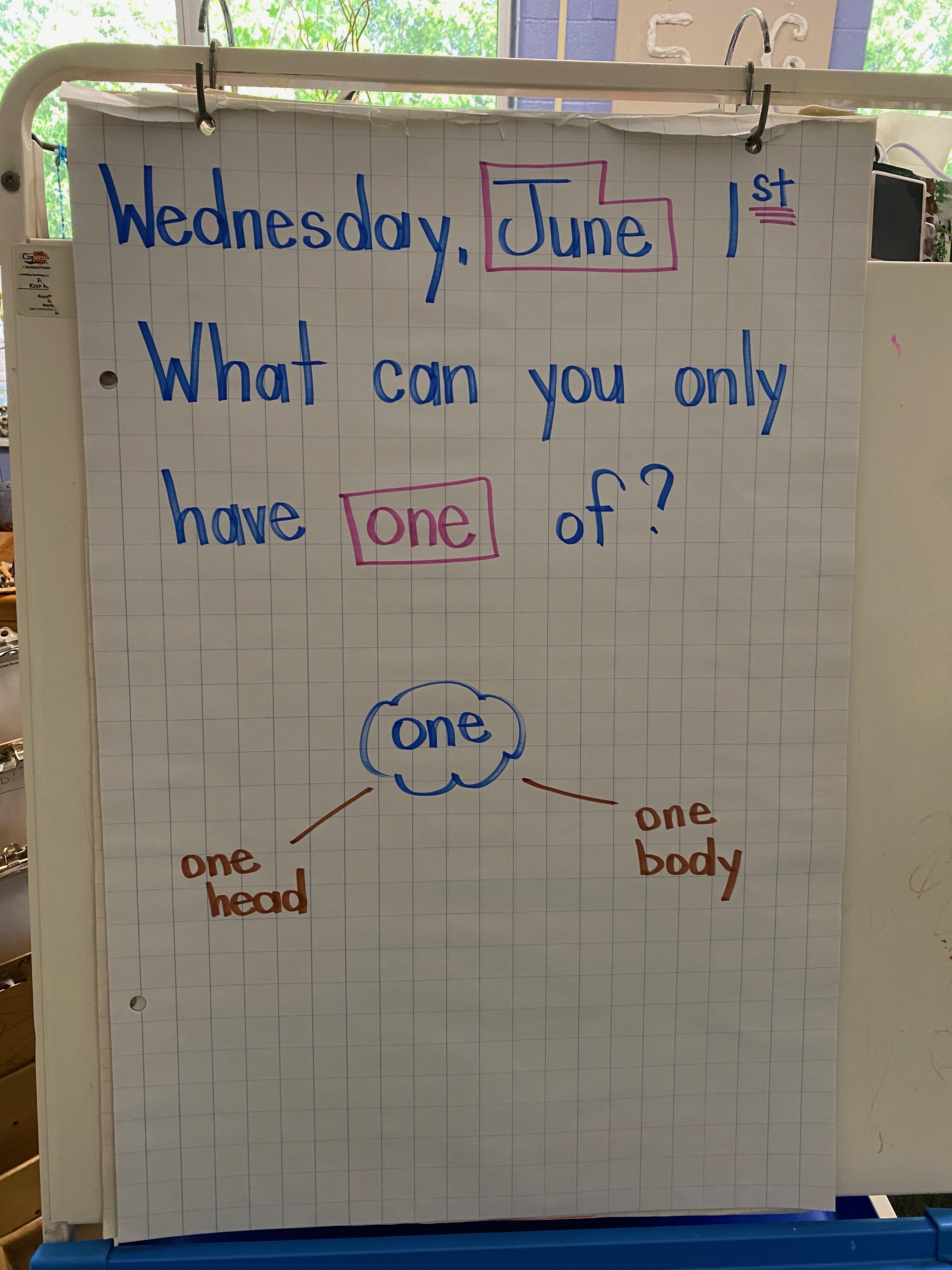
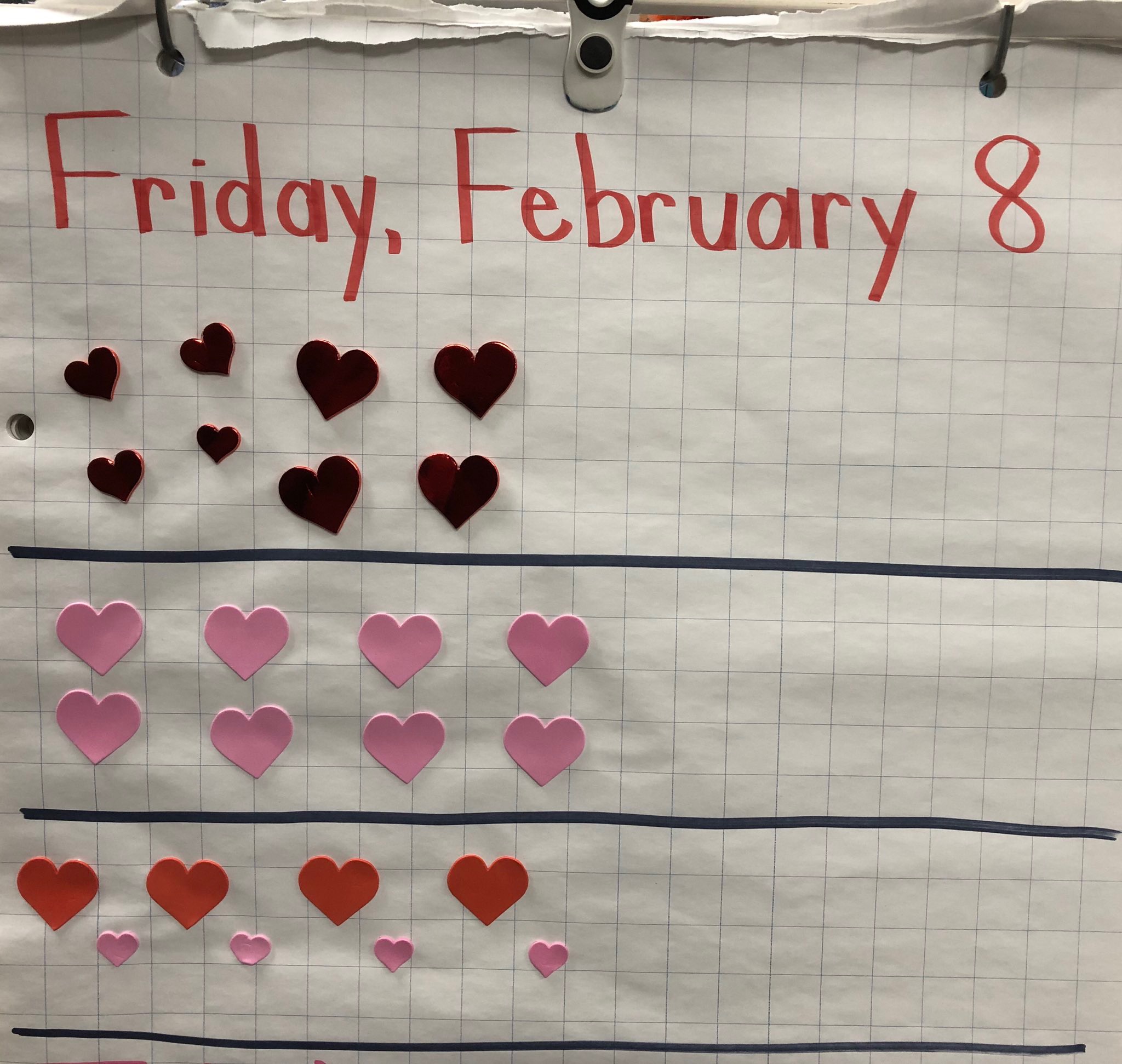
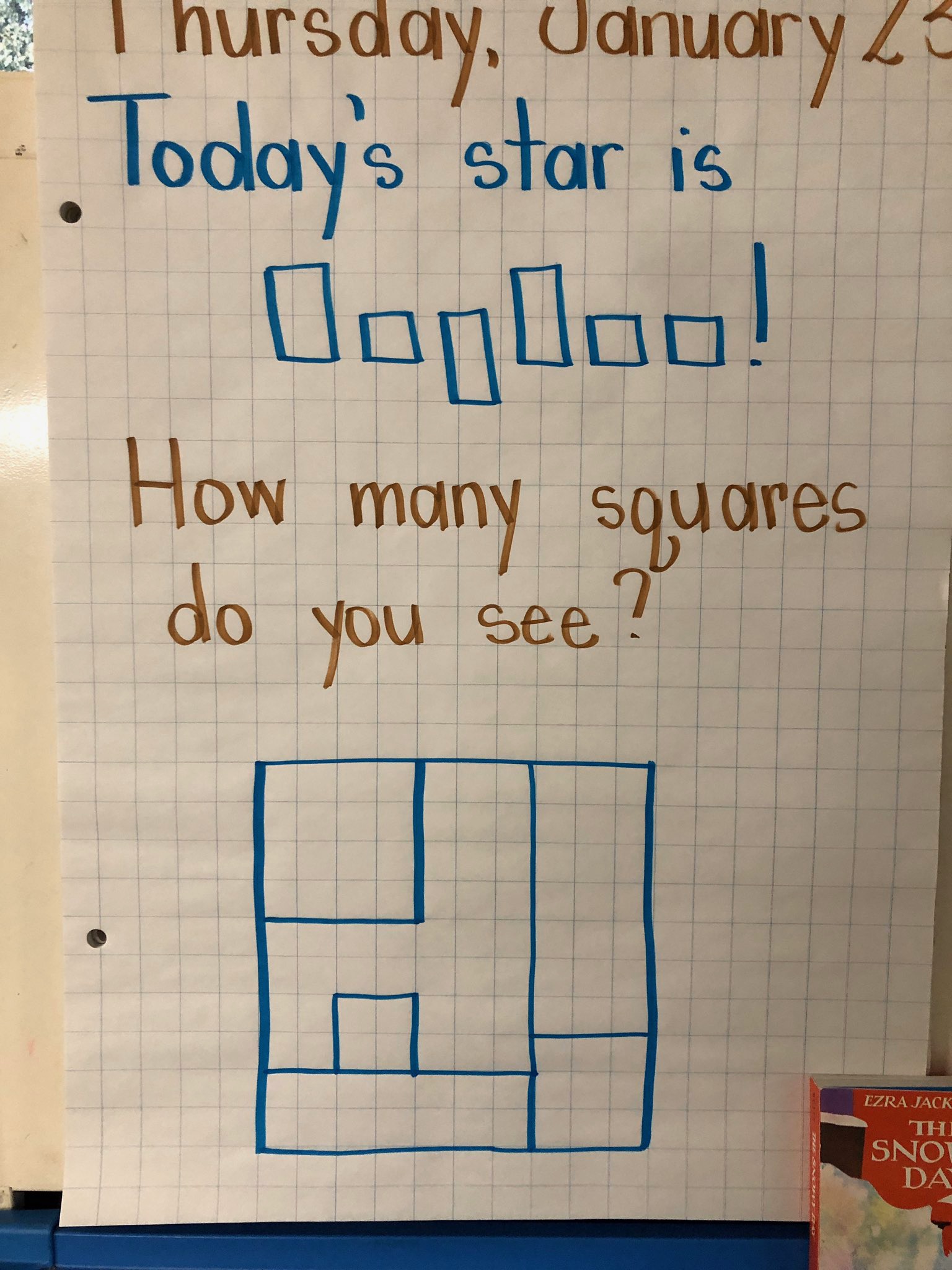
 8. Record and celebrate your math moments. Help children, families, and colleagues recognize that math happens everywhere in the classroom by creating a documentation display with photos, anecdotal observations and connections to curriculum. This bulletin board can be built over the course of the school year as artifacts of learning are continually added by staff and students. Keep sticky notes nearby and invite observers to record their own ideas and share them by posting the notes within the documentation.
 9. Engage families in joyful math with children outside of school. Consider ways that you can promote and extend math for children after school. Encouraging families to play math games and activities together with their children will not only provide children with additional meaningful math moments, but it may help older family members reconcile their fear or dislike of math. In our classroom we send home 'family math bags' once a week. These are filled with math invitations and materials so that children and their families can play games inspired by our classroom work.
 10. Build your collection of math stories, songs and games. Children love to sing, dance and play games. Ask colleagues to share their favourite games and activities, and use these to help with transitions and other 'math moments' throughout the day. Quite often the words in songs can easily be improvised to match something happening in your classroom, and many rich storybooks have mathematical elements and problems embedded within them that can inspire children.
These are just a few of the ways in which I cultivate a rich math space with children. I'd love to hear from you! Share your math ideas in the comments below, and consider following my Facebook page Joyful Learning in the Early Years for regular math ideas from my classroom!
I thought it would be easiest to create this as a 'math check list' with points to read and consider. When I reflect upon my own math pedagogy and practice, these are what I think stand out as mathematically meaningful for the educators, children and families that share our space. Although this check list isn't all inclusive, I thought it might spark some ideas to support and inspire as we enjoy the final weekend of summer and start back in our classroom with open eyes, minds and hearts this week.


These are just a few of the ways in which I cultivate a rich math space with children. I'd love to hear from you! Share your math ideas in the comments below, and consider following my Facebook page Joyful Learning in the Early Years for regular math ideas from my classroom!




.jpeg)
.jpeg)
.jpeg)







.jpeg)
.jpeg)
.jpeg)
