In our classroom we focus mainly on process-based art. Children are invited to create with open-ended materials. A painting experience that children enjoy involves stamping holiday cookie cutters using festive acrylic paint.
I am a Reggio Emilia inspired Full Day Kindergarten teacher and mother to three young children. This blog is meant as a communication tool for the families of our children and as a learning tool for the many educators who follow us. Please feel free to comment on posts and participate in our collective understanding of emergent curriculum.
In our classroom we focus mainly on process-based art. Children are invited to create with open-ended materials. A painting experience that children enjoy involves stamping holiday cookie cutters using festive acrylic paint.
"Oh look! There's a spider on the school!
Maybe he's coming to learn too!"

I always look for ways to incorporate children's interests into our activities, specifically math. Here five spider math ideas for you to use with your little ones!
1. Which One Doesn't Belong - encourage children to examine and describe these collections of images and articulate which they believe doesn't not belong in the group and their reasoning why.

2. See, Think and Wonder - this thinking routine asks children to carefully examine something and clearly describe what they see, articulate their thinking about the object, and express curiosity through wonderings and questions related to the subject. This picture of an intricate web might be an interesting prompt for discussion.

3. Spider Survey - ask children to record their names on a t-chart that indicates whether or not they like spiders. Calculate and interpret the results of the survey with children. Click the image to access the printable.
4. Spider Subitizing - use this printable with children to explore different ways of representing a number. Write a number on the spider and ask children to brainstorm and record many different ways of showing the number (e.g., tallies, dots, ten frames, word). Click the image to access the printable.
5. Spider Symmetry - use this printable with children to explore the concept of symmetry. Encourage children to draw the missing half of the spider and web as best as they can. Explore symmetry in photos of real life spiders!Click the image to access the printable.

Sorting numbers that are presented using different fonts is an effective way to help children understand that numbers can look many different ways. This activity requires children to sort and glue numbers onto a chart. A basket of cut numbers was offered to children along with a template/chart and glue sticks. Children were challenged to find as many of each different number as they could.
Want to try the activity with your students? Click here to get free printable font pages and the template. Happy sorting!
We use these subitizing cards for many games in our classroom. This past week we invited children to play a 'roll and record' game. Using one die or two dice, children would roll, subitize or add, and cover that number on their card using a holiday trinket. Click on the image of the card to download your own copy of the four subitizing cards!
Math talks are a great way to engage children in open-ended explorations that invite them to think critically and creatively about a concept. Math talks are like number talks, yet include any area of math that an educator would like children to explore. An effective math prompt to facilitate a rich math discussion will be layered; it should be open-ended with multiple entry points for engagement. Even children as young as kindergarten are capable of participating in complex math conversations. In our classroom I aim to invite children into a math talk at least once a day; I sometimes use the numerical date on our morning message as the spark for exploration. Other times an interesting photo or collection of loose parts will be engaging and incite children into further exploration. I try to vary the invitations I provide in order to diversify the math we discuss and to reach as many learning interests as possible.
In our program we have a morning circle time. This circle is our first whole group gathering time for the day and helps set a positive atmosphere in our classroom. It is also a time to celebrate being together, and share news from our homes. We often use it as an opportunity to read a story and discuss any new and exciting activities or additions to our classroom space about which the children should know in order to be successful for the day.
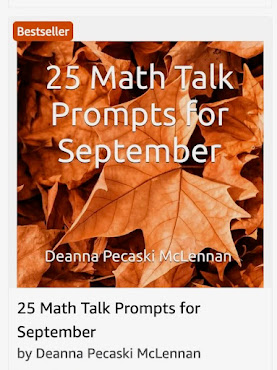
Over the years I have shared my math talks on social media and have been asked repeatedly to create a guide to support educators who wish to engage their students in math talks. This inspired my collection of monthly math talk books. Each book contain 25 prompts to engage children in regular conversations in the classroom. The prompts do not need to be followed in order. In order to help educators I have also created free downloadable PDFs that can be printed and used with students.
Click on the book's image to be linked to where it can be purchased.
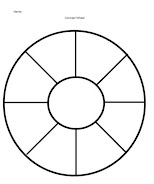
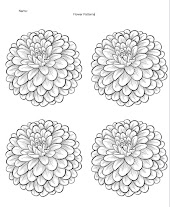
Click on the printable to be linked to where it can be printed.
I have spent time reviewing many of the resources and materials I have created over the years. Over the next few weeks I would like to share some on this blog.
Learning the names and sounds of upper- and lower-case alphabet letters take time, patience and practice.
You can access the file here: 20 Instant Alphabet Activities
St. Patrick's Day is a fun holiday that helps jump start the spring season! Here are a few easy to plan math activities for children!
1. Shamrock Subitizing- Write different numerals in the center of each shamrock and encourage children to place dominoes with the corresponding number of pips in each leaf.
Get the free printable here: Shamrock Printable


Recently we have been working with different fonts to help children recognize that the same letter can look many ways. These letter templates are easy to use in matching games. Get a copy here!
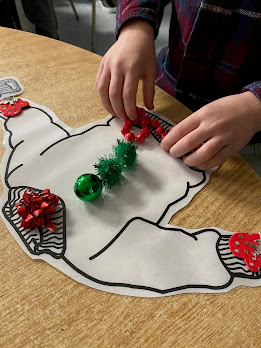
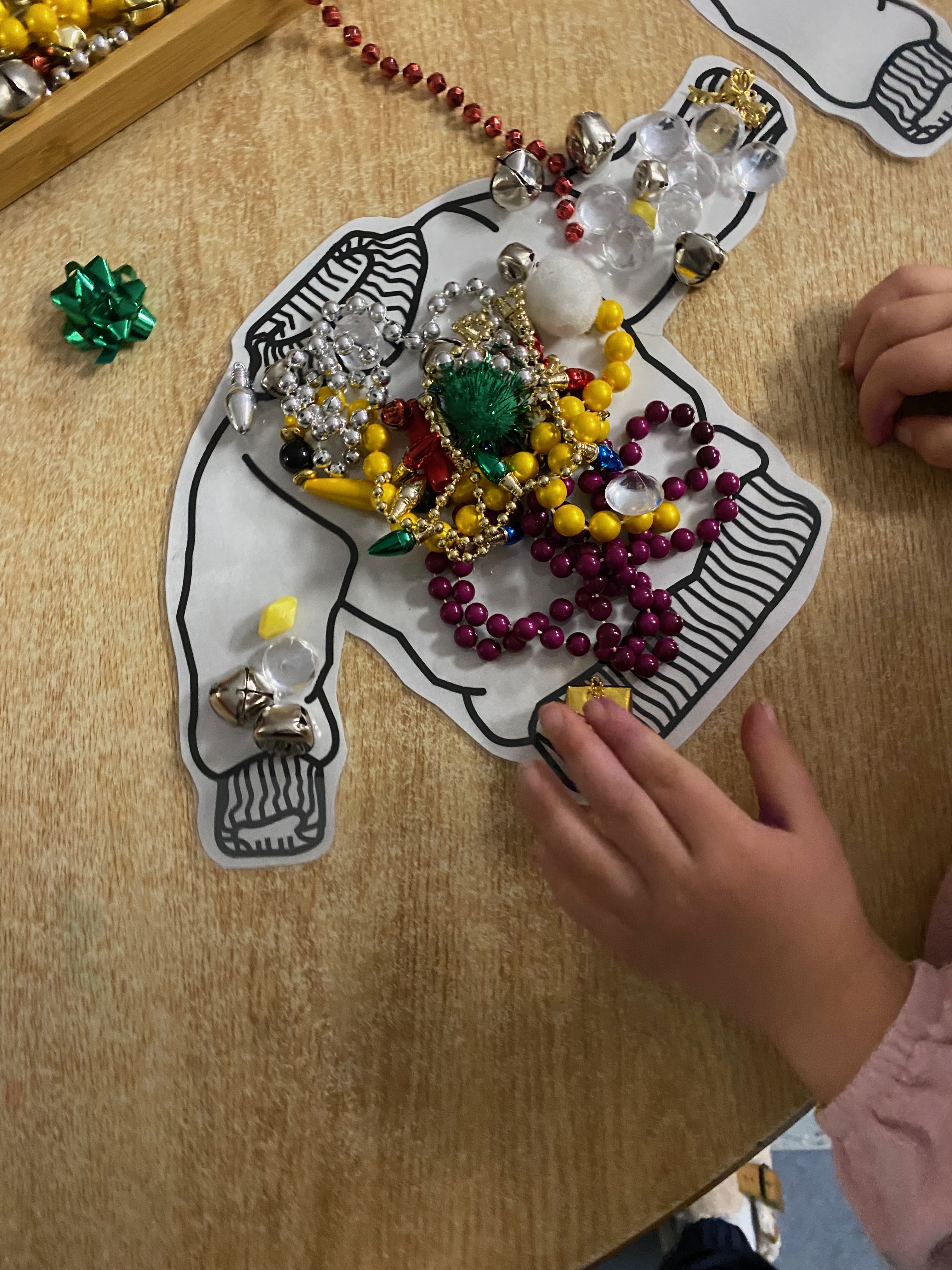
A fun activity this time of year is to decorate ugly holiday sweaters with a variety of loose parts! This activity promotes math as children create patterns on the sweaters. An interesting discussion of the differences between area and perimeter usually emerges as children use strings of beads to outline the sweater while filling it in with seasonal trinkets.

Subitizing is the ability to instantly recognize the number of objects without actually counting them.
This week we practised subitizing using a number cube and this subitizing grid. Children rolled the number cube and dabbed a corresponding square on the grid. There are so many possibilities for how else children can extend this game. It's perfect for small group math work, a math center or independent practice during whole group time. Visit the link to download a copy of the grid. Enjoy!